
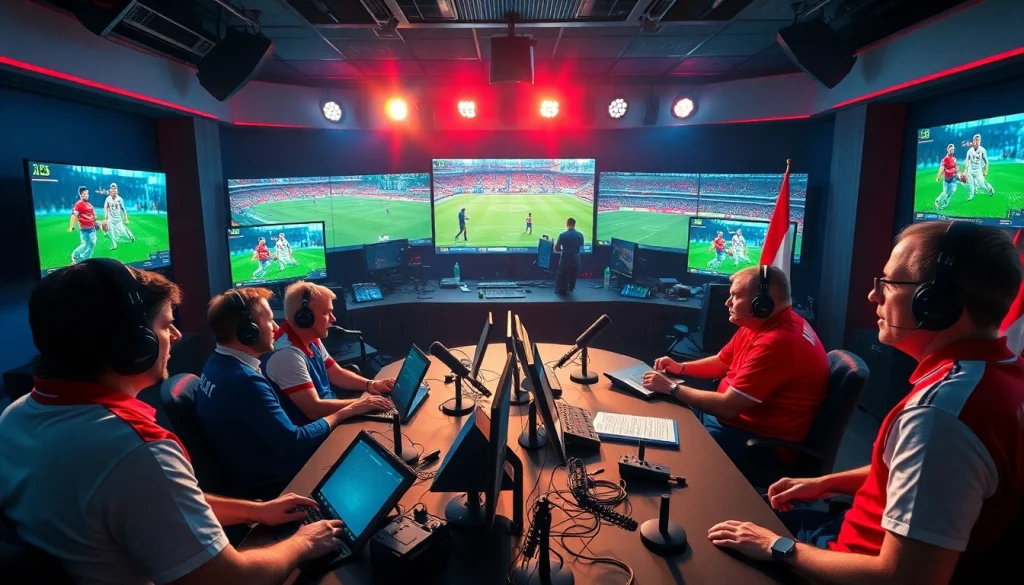
Understanding Sports Broadcasting
Defining Sports Broadcasting
Sports broadcasting refers to the dissemination of live sports events, highlights, and related content through various media platforms such as television, radio, and online streaming services. It provides fans with real-time access to their favorite sports, enabling them to follow their teams and athletes. The broadcast can encompass everything from live game coverage and pre-game discussions to post-match analyses and sports news. Its fundamental goal is to engage audiences, bringing them closer to the action and enhancing their overall viewing experience. In this fast-paced digital era, Sports Broadcasting has become even more intricate, leveraging social media and immersive technologies to create a more engaging environment.
The Evolution of Sports Broadcasting
The history of sports broadcasting dates back to the early 20th century, beginning with radio broadcasts of sporting events. By the 1930s, sports broadcasts on radio became commonplace, allowing fans to listen to live coverage from their homes. The introduction of television in the 1950s revolutionized the industry, providing visual content that enhanced the excitement and engagement levels. The rise of cable networks in the 1980s further diversified sports broadcasting, introducing niche channels dedicated solely to sports content.
As technology continued to advance, the 21st century saw the emergence of digital platforms. Streaming services now allow fans to watch events live on various devices, breaking geographical barriers and democratizing access to sports content. Today, data analytics and social media play a crucial role in shaping sports broadcasting, influencing how content is produced and consumed.
Key Players in Sports Broadcasting
Sports broadcasting is a collaborative effort involving various entities, including broadcasters, production teams, advertisers, and sports leagues. Major networks and channels, often referred to as broadcasters, are responsible for the transmission of content. They partner with sports leagues to secure broadcasting rights in negotiations that determine how, when, and where events are shown.
Production teams are essential, ensuring high-quality visuals and sound. They manage everything from camera angles to commentary, enhancing the viewer experience. Additionally, advertisers play a crucial role, needing to seamlessly integrate brand messages into broadcasting without detracting from the sports content.
Essential Equipment for Sports Broadcasting
Audio and Visual Gear
High-quality audio and visual equipment are fundamental to successful sports broadcasting. Cameras must be capable of capturing fast movements with clarity, often requiring high-definition or even 4K capabilities. Multiple camera angles are utilized to provide comprehensive coverage, including close-ups and aerial shots.
Audio equipment is equally important, as delivering clear commentary and crowd reactions enhances the experience. Microphones must be strategically placed, and sound mixing should be meticulously managed to accommodate varying noise levels and ensure audience enjoyment.
Software and Streaming Tools
In addition to hardware, software plays a vital role in sports broadcasting. Editing software allows for the seamless production of highlight reels, while streaming services handle the distribution of live content over the internet. Software for graphics and live statistics updates can also significantly enhance broadcast quality, providing viewers with interactive elements that keep them engaged.
Setting Up a Broadcasting Studio
Creating a broadcasting studio involves careful planning and execution. Key elements include choosing a suitable location, optimizing layout for camera visibility, and ensuring soundproofing to minimize external noise. Studio lighting must be adequate to enhance visuals without excessive glare or shadows.
Equipment must be organized for efficient operation, and the crew should be trained to handle technical aspects quickly. Critical to the setup is a reliable internet connection, crucial for live streaming and remote collaborations. Streamlining workflows and ensuring backup systems are in place help mitigate any potential broadcasting issues.
Content Creation in Sports Broadcasting
Planning Engaging Show Segments
Creating engaging content is vital in sports broadcasting. Producers need to develop segments that resonate with audiences, which may include in-depth analyses, player interviews, and fan interactions. Content should be planned well in advance, but flexibility is necessary to accommodate changing game dynamics and emerging stories.
Utilizing thematic storytelling can make segments more appealing, addressing topics relevant to current sports narratives. Incorporating audience input, such as poll results or social media interactions, can also make broadcasts feel more inclusive and relatable.
Utilizing Social Media Effectively
Social media serves as a powerful tool in sports broadcasting, providing avenues for real-time engagement and broader reach. Platforms like Twitter, Instagram, and Facebook allow broadcasters to share updates, highlights, and behind-the-scenes content that draw audiences in.
Effective social media integration involves crafting shareable content that complements live broadcasts. Engaging with fans through comments and shares fosters a sense of community around the content, enhancing loyalty and viewership.
Storytelling in Sports Broadcasting
Storytelling is at the heart of sports broadcasting. Narratives surrounding rivalries, personal journeys, and historic moments create a deeper connection with audiences. By focusing on the human elements of sports—triumphs and tragedies—broadcasters can produce compelling stories that resonate with viewer emotions.
This includes weaving in statistics and historical context to enrich the narrative, thereby elevating the viewing experience beyond raw game footage.
Regulatory Considerations in Sports Broadcasting
Licensing and Copyright Issues
Licensing is a critical aspect of sports broadcasting, as content creators must navigate copyright laws to use footage, logos, and trademarks legally. Typically, broadcasters purchase licenses from leagues or event organizers, allowing them to air specific content legally.
Failure to comply with copyright regulations can result in hefty fines or legal disputes, which is why understanding the intricacies of licensing agreements is essential to safeguarding broadcast operations.
Broadcast Rights and Agreements
Broadcast rights dictate which channels can air particular events, often resulting in intense competition among networks. These agreements outline terms relating to content airing, advertising opportunities, and revenue sharing. Networks must negotiate effectively to secure lucrative events while ensuring compliance with league expectations.
Adhering to Broadcasting Standards
Broadcasters must adhere to specific standards and regulations issued by governing bodies. These may cover various aspects, including content appropriateness, advertising limits, and ethical guidelines regarding player and team portrayal. Staying compliant with these standards is crucial for a network’s reputation and legal standing.
Measuring Success in Sports Broadcasting
Key Performance Indicators (KPIs)
To evaluate success in sports broadcasting, organizations must establish clear Key Performance Indicators (KPIs). Metrics can include ratings, viewership numbers, social media engagement, and website traffic. Analyzing these KPIs helps broadcasters understand their audience and refine content strategies.
Analyzing Audience Engagement
Engagement analysis goes beyond mere viewership numbers. Broadcasters should track comments, shares, and interaction rates on social media to gauge audience sentiment and involvement. Surveys and focus groups can further illuminate viewer preferences, allowing for targeted improvements to the broadcast experience.
Adapting Strategies Based on Feedback
Continuous improvement is paramount in sports broadcasting. Networks should actively solicit and analyze feedback from both viewers and advertisers, making necessary adjustments to content and delivery. This adaptive approach fosters an evolving broadcasting environment that can respond to audience desires and industry trends.
FAQs About Sports Broadcasting
What is sports broadcasting?
Sports broadcasting involves transmitting live sporting events and related content through media platforms like TV and online streaming. It enhances viewer engagement by providing real-time access.
How has sports broadcasting evolved?
From radio broadcasts in the early 1900s to the rise of digital streaming services today, sports broadcasting has advanced significantly in technology and accessibility, offering diverse viewing options for fans.
What equipment is essential for sports broadcasting?
Key equipment includes high-definition cameras, microphones, video editing software, and streaming tools to ensure high-quality visuals and sound during broadcasts.
How important is storytelling in sports broadcasting?
Storytelling is crucial, as it helps create emotional connections with viewers by emphasizing personal journeys, rivalries, and historical moments, making broadcasts more relatable and engaging.
What metrics are used to measure success in sports broadcasting?
Success is often measured through Key Performance Indicators (KPIs) such as viewership numbers, audience engagement on social media, and overall ratings to assess the effectiveness of broadcasts.