Understanding the Role of Eksibitors in Modern Trade Shows
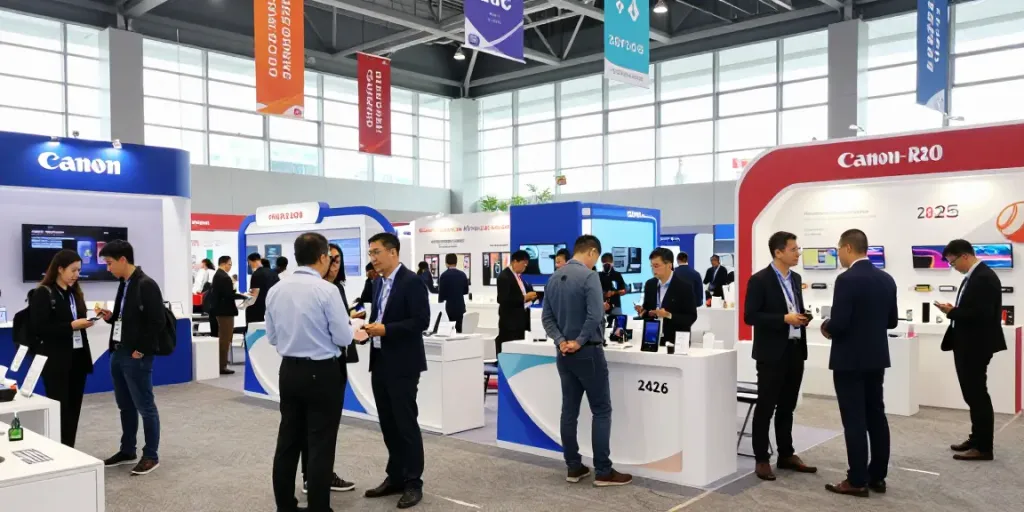
In today’s dynamic marketplace, the role of Eksibitor has never been more pivotal. These entities represent businesses at trade shows, enabling them to showcase their products, network with industry counterparts, and engage with potential customers. With the exhibition industry projected to grow as we move towards 2026, understanding the value of eksibitors is crucial for businesses looking to leverage this platform effectively.
What is an Eksibitor?
An eksibitor, derived from the word 'exhibitor', is an individual or organization that presents goods or services at trade shows, fairs, or exhibitions. They play a fundamental role in the marketing strategy of many companies by providing a tangible presence in a marketplace that can be exceptionally competitive and rapidly evolving. These exhibitors not only display their offerings but also gather invaluable insights about their audience and competitors.
The Importance of Eksibitors in Networking
Networking is one of the critical components of trade shows. Eksibitors have the unique opportunity to connect directly with potential clients, suppliers, and industry influencers. This personal interaction is often more effective than online communication, fostering relationships that can lead to fruitful business deals. Moreover, eksibitors can also engage with other participants, gleaning insights into market trends, competitors, and consumer preferences, which can inform their future strategies.
Key Benefits for Businesses Participating as Eksibitors
- Increased Visibility: Participating as an eksibitor provides businesses with exposure to a targeted audience actively seeking relevant products and services.
- Lead Generation: Trade shows are fertile grounds for capturing leads, as attendees are often decision-makers or influencers within their organizations.
- Market Research: Exhibitors can observe competitors and gather feedback from attendees, allowing them to refine their offerings.
- Brand Building: A well-designed booth can enhance brand recognition and credibility in the industry.
Preparing for an Eksibitor Showcase
Preparation for a trade show is essential for maximizing the benefits of being an eksibitor. From registration to booth design, each step plays a vital role in the overall success of the showcase.
Essential Steps for Exhibitor Registration
Begin by researching and selecting trade shows that resonate with your industry and target audience. After identifying potential events, the registration process typically includes filling out an application, providing company details, and possibly paying an exhibitor fee. Early registration can often provide advantages in booth location choices and pricing discounts.
Designing an Effective Booth Display
The booth is your storefront at the trade show and should be designed to draw in attendees. Key elements include:
- Professional Branding: Ensure that logos, colors, and messaging align with your overall brand identity.
- Interactive Features: Incorporate technology or activities that engage attendees, such as demos or games.
- Clear Messaging: Craft clear and concise messages that communicate your offerings at a glance.
Strategies for Attracting Attendees
To draw visitors to your booth, consider offering incentives such as giveaways, contests, or exclusive discounts. Promoting your presence on social media leading up to the event and utilizing targeted marketing campaigns can also enhance visibility.
Maximizing Engagement During the Event
Once the event starts, it's crucial to keep the momentum going by leveraging various engagement strategies.
Interactive Features that Draw Crowds
Using interactive elements such as live demonstrations, virtual reality experiences, or photo booths can significantly increase foot traffic to your area. Such features not only attract attendees but also create memorable experiences that encourage social sharing.
Networking Techniques for Effective Connections
Building relationships during the event is essential. Making eye contact, engaging attendees with open-ended questions, and exchanging business cards are effective ways to foster connections. Consider scheduling follow-up meetings during the event to solidify new relationships.
Leveraging Social Media for Live Updates
Utilizing social media platforms during the event can enhance engagement both on-site and online. Posting live updates, showcasing booth activities, and encouraging attendees to share their experiences can amplify your reach and create buzz around your brand.
Post-Event Strategies for Exhibitors
The conclusion of the trade show doesn’t mark the end of the journey for eksibitors. Implementing post-event strategies is crucial for converting leads into actual sales.
Analyzing Performance Metrics and ROI
Evaluate the effectiveness of your participation through performance metrics. Key indicators include the number of leads generated, booth traffic, and overall engagement levels. Calculating return on investment (ROI) will provide insights into the success of the event and inform future decisions.
Follow-up Techniques to Convert Leads
Implement a structured follow-up process with the leads obtained during the event. Customized emails expressing gratitude and outlining next steps can make a significant impact. Consider sending additional resources or content relevant to their interests.
Gathering Feedback for Future Improvements
Collecting feedback from your team and attendees can provide critical insights. Identifying what worked and what didn’t can guide improvements for your next exhibition.
Future Trends for Eksibitors in 2026 and Beyond
As we look towards 2026, several emerging trends are likely to shape the exhibition landscape for eksibitors.
Innovations in Exhibit Technology
Technological advancements are set to redefine exhibit experiences. From augmented reality displays to AI-driven insights, eksibitors will need to embrace new technologies to stay ahead of the curve.
Shifts in Consumer Engagement Strategies
With growing competition and changing consumer preferences, strategies will need to become more personalized. Understanding attendee behavior and utilizing data analytics for tailored experiences will be crucial.
Predictions for the Future of Trade Shows
As sustainability becomes a priority, trade shows may adapt by integrating eco-friendly practices. Virtual and hybrid formats are also likely to persist, allowing for broader participation while reducing travel-related emissions.
What are the costs associated with being an Eksibitor?
The costs can vary widely based on the event, booth size, and additional features. Expenses may include registration fees, booth design and construction, travel, and promotional materials.
How can I attract more visitors to my booth?
Ensure your booth stands out with eye-catching design, offer valuable incentives, and actively engage with attendees through demonstrations and interactive elements.
What are the top industries for Eksibitors in 2026?
Top industries likely to dominate exhibitions include technology, healthcare, renewable energy, and consumer goods, as these sectors continue to evolve and expand.
How to measure the success of an Eksibitor event?
Success can be measured through various KPIs such as lead generation, attendee engagement, and overall ROI based on your established goals.
What trends should I watch for in the exhibition industry?
Be on the lookout for increased digital integration, sustainability initiatives, and the rise of personalized attendee experiences as key trends shaping the future of exhibitions.