Understanding Slot Gacor in Communication Studies
In the evolving landscape of communication studies, the term slot gacor has emerged as a focal point for scholars and educators alike. It is a concept that may initially seem out of place within the realm of communication; however, it plays a pivotal role in understanding how communication can be optimized for diverse audiences. As we delve deeper into this notion, it becomes clear that accessibility and effective communication are intertwined, setting the stage for a rich discourse on collective communication in a digital age. For further insights into this transformative topic, resources such as slot gacor provide valuable information.
What is Slot Gacor?
Slot gacor, in the context of communication studies, may refer to the frequency and effectiveness with which information is shared and received in various formats. This concept highlights the need for clarity, engagement, and responsiveness in communication practices. Understanding the characteristics of “gacor” or effective slots can help educators and practitioners develop methodologies that resonate with their intended audience, particularly in a collective setting.
The Importance of Accessibility in Communication
Accessibility is a vital component of effective communication. It ensures that all individuals, regardless of their background or abilities, can participate in discussions and share ideas. By integrating accessibility into communication strategies, educational institutions can improve engagement and learning outcomes. This approach is particularly important in collective communication, where diverse perspectives contribute to richer discussions.
How Slot Gacor Influences Collective Communication
Slot gacor influences collective communication by emphasizing the importance of timing, relevance, and audience engagement. When communication is timely and resonates with the collective group's interests, it enhances the probability of meaningful dialogue. This dynamic is crucial in educational settings, where fostering collaboration and interaction among students leads to deeper understanding and retention of information.
Emerging Trends in Communication Education
The landscape of communication education is constantly evolving, shaped by technological advancements and changing societal needs. As we look toward 2026, several key trends are emerging that will redefine how communication studies are approached and taught.
Digital Learning Platforms and Their Role
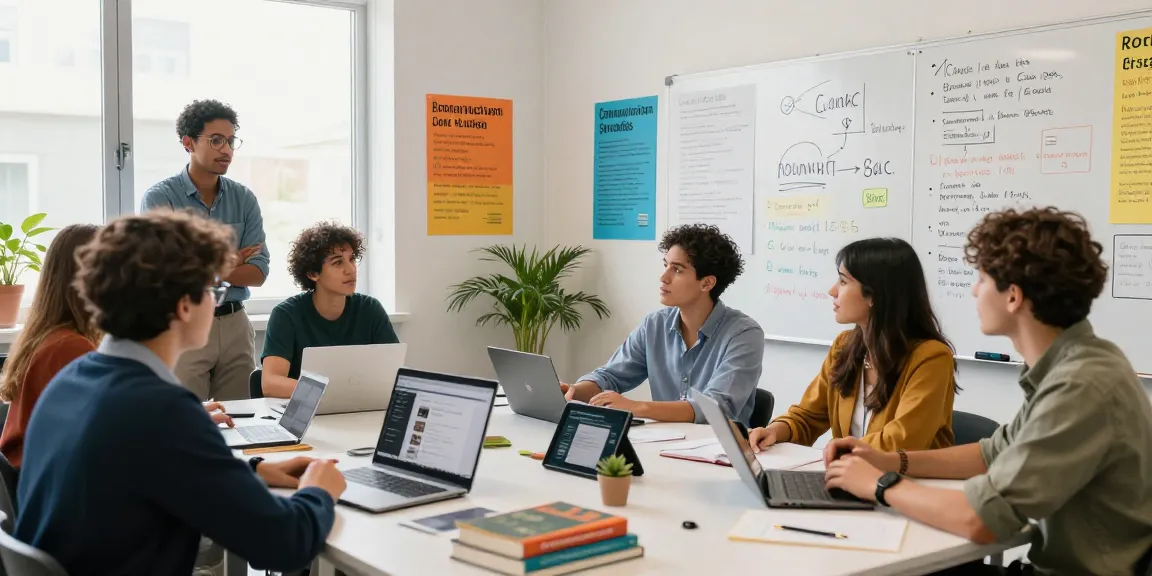
Digital learning platforms have become essential tools in communication education. They facilitate the dissemination of information and provide interactive spaces for students to engage with content and each other. As these platforms continue to evolve, they will offer even more opportunities for collaborative learning, enabling students to work together across geographical boundaries.
Integration of Technology in Teaching Methods
Technology integration into teaching methods is transforming traditional classrooms. With tools such as virtual reality (VR) and augmented reality (AR), educators are able to create immersive learning experiences that enhance understanding and application of theoretical concepts. These innovations not only make learning more engaging but also prepare students for a world where digital communication is paramount.
Student-Centered Learning Approaches
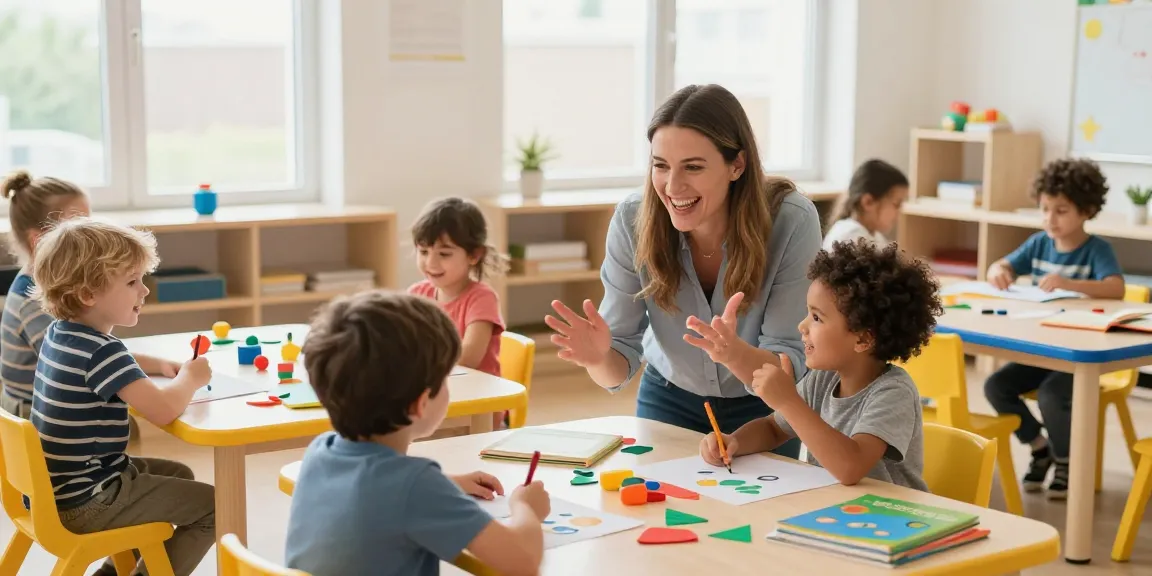
Shifting from a teacher-centered to a student-centered approach is crucial for modern education. This methodology encourages students to take an active role in their learning process, fostering critical thinking and collaboration. Through project-based learning and peer-to-peer interactions, students can develop communication skills that are vital in today’s interconnected world.
Strategies for Effective Collective Communication
To optimize collective communication, educators and practitioners can employ various strategies that enhance collaboration and learning outcomes. These methods not only improve interactions but also build a supportive learning environment.
Collaborative Learning Techniques
Employing collaborative learning techniques can greatly enhance group dynamics. Techniques such as think-pair-share, group projects, and peer reviews not only encourage participation but also foster a sense of community among students. These methods allow for diverse perspectives to be shared and valued, enriching the educational experience.
Utilizing Feedback for Improvement
Feedback is a powerful tool for promoting growth and improvement in collective communication. By establishing a culture of constructive feedback, educators can help students refine their communication skills and develop their critical thinking abilities. This iterative process of giving and receiving feedback enhances both individual and group performance.
Building Strong Communication Skills
Communication skills are fundamental in every aspect of life, particularly in academic and professional settings. Educators should prioritize the development of skills such as active listening, clear articulation, and persuasive writing. Workshops, seminars, and practical exercises can be integrated into curricula to strengthen these skills among students.
Challenges Faced in Communication Studies Today
Despite advancements in the field, several challenges persist in communication studies that need to be addressed to ensure effective learning and application of concepts.
Addressing Misconceptions About Slot Gacor
One of the challenges in understanding slot gacor is the prevalence of misconceptions regarding its application and relevance. Educators must clarify these misunderstandings through targeted communication strategies and real-world examples, ensuring that students grasp the significance of effective communication practices.
Overcoming Technological Barriers in Education
Technological barriers can hinder communication and learning in educational settings. It is crucial for institutions to provide adequate resources and training to ensure that all students can leverage technology effectively. This includes access to devices, internet connectivity, and guidance on using digital tools.
Maintaining Engagement in Hybrid Learning Formats
Hybrid learning formats present unique challenges in maintaining student engagement. Educators must develop innovative approaches to actively involve students, ensuring that both in-person and online learners can contribute meaningfully to discussions. Utilizing engaging multimedia content, interactive activities, and community-building strategies can help bridge the gap between different learning modalities.
Future Outlook: Communication Studies in 2026 and Beyond
As we look forward to 2026, the field of communication studies is poised for significant transformation. Emerging practices and technologies will shape the future of education and communication.
Innovative Practices for Educators
Educators must adopt innovative practices that foster adaptability and responsiveness to changing environments. This includes embracing new teaching methodologies, incorporating diverse perspectives, and utilizing technology to enhance learning experiences. Continuous professional development will be essential for educators to stay current with best practices.
Predictions for Evolving Communication Strategies
The strategies employed in communication will likely evolve in response to technological advancements and societal shifts. Future communication studies will emphasize intercultural communication, digital literacy, and ethical considerations in media usage. As globalization continues to shape interactions, the focus on these areas will become increasingly relevant.
The Role of Globalization in Communication Studies
Globalization has a profound impact on communication practices, necessitating a comprehensive understanding of diverse cultural contexts. Students must be equipped with the skills to navigate and appreciate these differences, fostering inclusive and effective communication in a globalized world.
What is the future of Slot Gacor in education?
The future of slot gacor in education appears promising as institutions continue to prioritize accessibility and effective communication. As more educators recognize the importance of this concept, we can expect to see its incorporation into curricula and teaching practices, ultimately enhancing student outcomes.
How will technology change communication practices?
Technology will undoubtedly transform communication practices, making them more dynamic and interactive. The rise of artificial intelligence, machine learning, and immersive technologies will offer new avenues for engagement, allowing for richer and more personalized communication experiences.
What challenges will communication educators face in 2026?
As we approach 2026, communication educators will face challenges such as adapting to rapidly changing technology, meeting diverse student needs, and addressing the implications of misinformation. To navigate these challenges, educators must be proactive and flexible, ensuring that they are prepared to deliver impactful communication education.